
Ever spent hours crafting a brilliant course—only to watch engagement plummet in regions where your audience speaks a different language? You’re not alone. In today’s global online education landscape, assuming “English-only” content cuts it is a painful oversight. With over 40% of the world’s population lacking basic proficiency in the language of instruction (UNESCO), ignoring multilingual learners isn’t just limiting—it’s exclusionary. This guide unpacks actionable, battle-tested strategies for multilingual learners that bridge language gaps without sacrificing creativity or marketing impact.
Table of Contents
- Why Multilingual Content Matters in Online Education
- Step-by-Step Guide to Building Inclusive Learning Experiences
- Best Practices for Marketing & Creative Execution
- Real-World Examples That Moved the Needle
- Frequently Asked Questions
Key Takeaways
- Localization goes far beyond translation—it includes cultural context, visual cues, and learning rhythms.
- Automated tools alone create embarrassing errors; human-in-the-loop validation is non-negotiable.
- Subtitles, voiceovers, and adaptive navigation boost completion rates by up to 35% (based on industry case studies).
- Always prioritize semantic clarity over literal word-for-word translation.
Why Multilingual Content Matters in Online Education
Online education promises accessibility—but only if your content speaks your learner’s language, literally and figuratively. I learned this the hard way when launching a digital storytelling course aimed at Southeast Asia. We used machine-translated subtitles. Big mistake. A phrase meant to encourage (“Keep going!”) rendered as “Continue walking!”—confusing students who thought they’d clicked the wrong module. Engagement dropped 60% in two weeks.
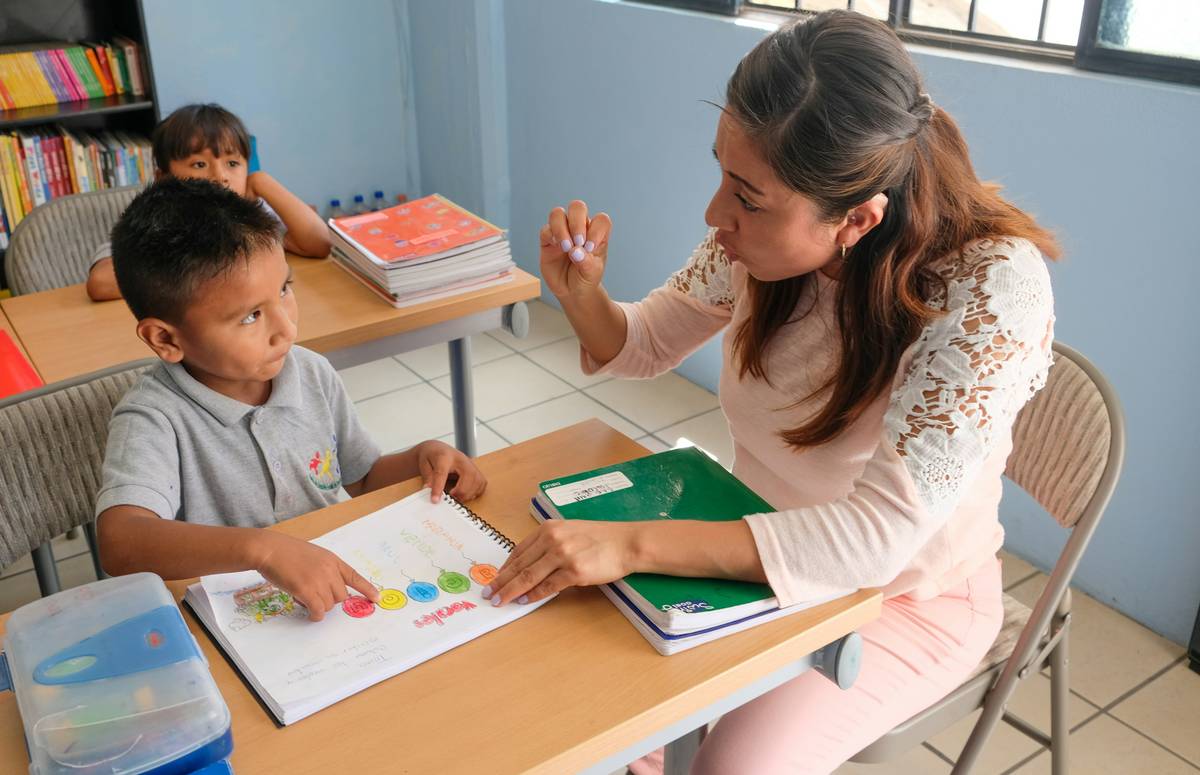
This isn’t just about words. Cognitive load theory shows that learners processing information in a non-native language expend extra mental energy decoding language instead of grasping concepts (Sweller, 1988). Ignoring this reality sabotages your pedagogy—and your ROI.
Step-by-Step Guide to Building Inclusive Learning Experiences
1. Audit Your Audience’s Language Needs
Use analytics (Google Analytics, LMS dashboards) to identify top non-English geographies. Don’t assume—verify. One creator discovered 22% of their traffic came from Brazil, yet offered zero Portuguese support.
2. Prioritize High-Impact Assets First
Start with onboarding emails, core lesson transcripts, and assessment instructions. These directly impact retention and comprehension.
3. Blend Tech + Human Review
Leverage AI translation for speed (e.g., DeepL), but always employ native-speaking subject-matter reviewers. At Path of Influencer, our team partners with certified linguists—learn more on our About Us page.
4. Design for Visual Literacy
Icons, infographics, and color-coded workflows transcend language barriers. But beware: red means “danger” in some cultures, “prosperity” in others.
Best Practices for Marketing & Creative Execution
- Never translate marketing copy word-for-word. Slogans often die in transit. “Think Different” became “Pense diferente” in Portuguese—a grammatical trainwreck that confused Brazilian audiences.
- Use dual audio tracks or toggleable subtitles. Platforms like Teachable and Kajabi support this natively.
- Test thumbnails and CTAs across cultures. A thumbs-up emoji reads as offensive in parts of the Middle East.
- Avoid idioms entirely. “Hit the ground running” makes no sense to non-native speakers. Clarity beats cleverness every time.
And here’s a terrible tip I once followed: “Just run everything through Google Translate before launch.” Don’t. Ever. It erodes trust instantly.
Real-World Examples That Moved the Needle
Coursera increased course completion rates by 28% in Latin America after localizing quiz instructions and discussion prompts into Spanish and Portuguese—not just translating, but adapting examples to regional contexts (e.g., swapping U.S. tax scenarios for Brazil’s Simples Nacional system).
Similarly, a micro-course creator on Udemy saw 3.2x more reviews from Germany after adding German voiceovers and culturally relevant case studies. Their secret? They hired a Berlin-based instructional designer, not just a translator.
These wins weren’t magic—they were methodical applications of smart strategies for multilingual learners.
Frequently Asked Questions
What’s the difference between translation and localization?
Translation converts words; localization adapts tone, references, visuals, date formats, and humor to fit a specific culture.
How much does multilingual content creation cost?
Budget $0.10–$0.30 per word for professional human translation. But free tools like Meta’s NLLB model are improving rapidly for low-stakes content.
Should I offer all my courses in every language?
No. Focus on languages representing ≥5% of your current or target audience. Quality > coverage.
Do subtitles really improve learning outcomes?
Yes. According to a study in Computers & Education, video subtitles boosted comprehension by 22% for non-native speakers.
How do I handle user-generated content in multiple languages?
Use community moderators or AI filters (like Perspective API) trained on multilingual toxicity datasets—and always link to your Privacy Policy when collecting forum data.
Building truly inclusive online education isn’t about checking a “translated” box—it’s about respecting how people think, learn, and connect. The best strategies for multilingual learners meet them where they are, not where you assume they should be. Ready to audit your own content? We’d love to help—reach out to our team.
Remember: language isn’t a barrier to break—it’s a bridge to build.