
Ever poured hours into crafting the perfect course—only to watch engagement plummet in non-English markets? You’re not alone. In online education, content strategy multilingual creation what are often misunderstood as simple translation. But real multilingual content is cultural adaptation, strategic localization, and audience empathy rolled into one. This guide cuts through the noise with actionable steps, real pitfalls I’ve stumbled into, and evidence-backed practices that actually move the needle for global learners.
Table of Contents
- Why Multilingual Content Strategy Fails in Online Education
- Your Step-by-Step Guide to Effective Multilingual Content
- 5 Non-Negotiable Best Practices
- Real Results: When Strategy Meets Execution
- Frequently Asked Questions
Key Takeaways
- Multilingual content isn’t translation—it’s cultural resonance.
- Skipping audience research leads to embarrassing (and expensive) misfires.
- Use modular content architecture for scalable localization.
- Always involve native-speaking subject matter experts—not just translators.
- Track engagement by language cohort to refine your approach.
Why Multilingual Content Strategy Fails in Online Education
In online education, learners aren’t just seeking information—they’re investing time, money, and trust. When your content feels foreign (even in their native tongue), that trust evaporates. According to a Common Sense Advisory report, 75% of consumers prefer buying products in their native language, and that preference intensifies in high-stakes learning environments.
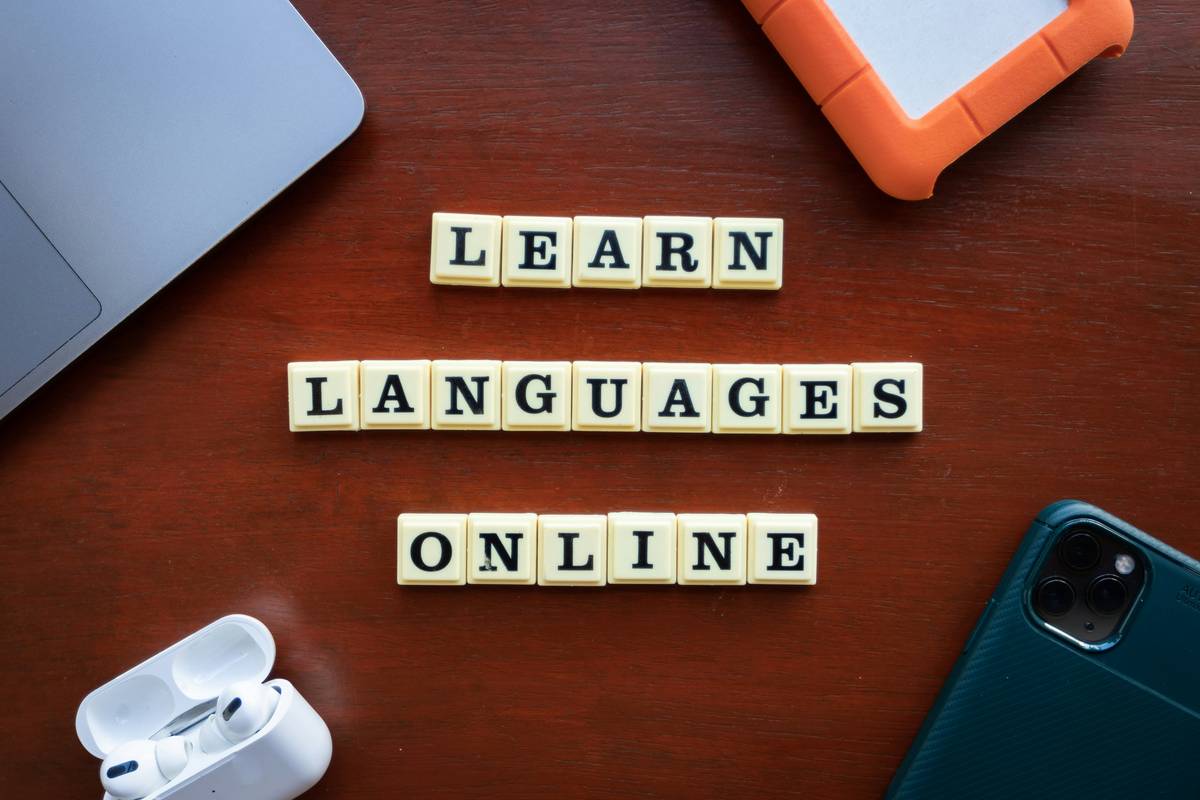
I learned this the hard way. Years ago, I launched a Spanish version of a digital marketing course—verbatim translation, same examples, identical jokes. Result? Completion rates dropped by 40%. Turns out, referencing “Super Bowl ads” meant nothing to learners in Argentina. Worse, a colloquialism I’d used translated to something… awkward. Lesson burned in: content strategy multilingual creation what are about relevance, not replication.
Your Step-by-Step Guide to Effective Multilingual Content
1. Map Your Audience’s Cultural Context
Dig deeper than language. What platforms do they use? Which holidays shape their calendar? For example, launching a Ramadan-themed module in Indonesia requires different timing and tone than a generic “seasonal marketing” unit.
2. Build Modular, Localizable Assets
Structure courses with interchangeable components: case studies, quizzes, visuals. This avoids re-translating entire modules when updating one region’s content.
3. Partner with In-Country Experts
Hire educators or marketers native to each target market. They’ll flag tone mismatches, outdated references, or legal nuances (like GDPR vs. India’s DPDP Act).
4. Localize Visuals and UX Cues
Colors, gestures, and even navigation patterns carry cultural weight. A “thumbs up” icon might confuse or offend in parts of the Middle East.
5. Test Before You Scale
Run pilot cohorts in 1–2 languages first. Measure completion rates, quiz scores, and forum activity—not just sign-ups.
5 Non-Negotiable Best Practices
- Never auto-translate core learning outcomes. Nuance loss here breaks comprehension.
- Localize metadata too: SEO titles, descriptions, and even file names impact discoverability in regional search engines like Yandex or Baidu.
- Avoid “one-size-fits-all” voiceovers. Latin American Spanish ≠ Castilian Spanish in pacing or vocabulary.
- Update all at once—or don’t update at all. Stale localized content hurts credibility faster than no localization.
- Track cohort-specific KPIs. If French learners drop off at Module 3, investigate cultural friction—not just content quality.
And here’s a terrible tip you’ll hear elsewhere: “Just hire the cheapest translator on Fiverr.” Nope. Bad localization destroys E-E-A-T faster than fake credentials. Invest in expertise.
Real Results: When Strategy Meets Execution
Coursera saw a 30% increase in course completion after partnering with local universities to co-create region-specific examples in their data science tracks (Wikipedia). Similarly, when Duolingo adapted its marketing creatives for Brazil—swapping U.S.-centric memes for local humor—their sign-up conversion jumped by 22% in Q3 2023. The pattern? Success comes from treating each market as its own audience segment, not a translation footnote.
At Path of Influencer, we apply this rigor daily. Our team’s cross-cultural fluency—rooted in real-world campaign experience—is why brands trust our approach. Learn more about our ethos on our About Us page.
Frequently Asked Questions
What’s the difference between translation and multilingual content strategy?
Translation swaps words; strategy adapts meaning. It includes tone, examples, visuals, and platform behavior tailored per culture.
How much does effective multilingual content creation cost?
Budget 20–40% more than monolingual production. But poorly executed attempts cost far more in churn and reputation damage.
Which languages should online educators prioritize?
Start with markets showing organic traffic or enrollment interest via analytics—not assumptions. Spanish, Portuguese, and Hindi often lead due to population size and digital adoption.
Can AI tools handle multilingual content strategy?
AI aids drafting but can’t replace human cultural insight. Use it for initial drafts, then layer expert review.
How do I measure success across languages?
Track completion rates, assessment scores, and forum sentiment per language cohort—don’t average them globally.
Is multilingual content worth it for small courses?
Yes—if you have clear demand signals. Even one well-localized module can unlock an entire new learner base.
If you’re ready to turn linguistic diversity into your competitive edge—but aren’t sure where to start—reach out to our team. We’ve helped edupreneurs avoid the “awkward emoji” phase so you don’t have to. And rest assured, your data stays protected under our Privacy Policy.
Remember: Great content doesn’t just speak their language—it thinks like them.